
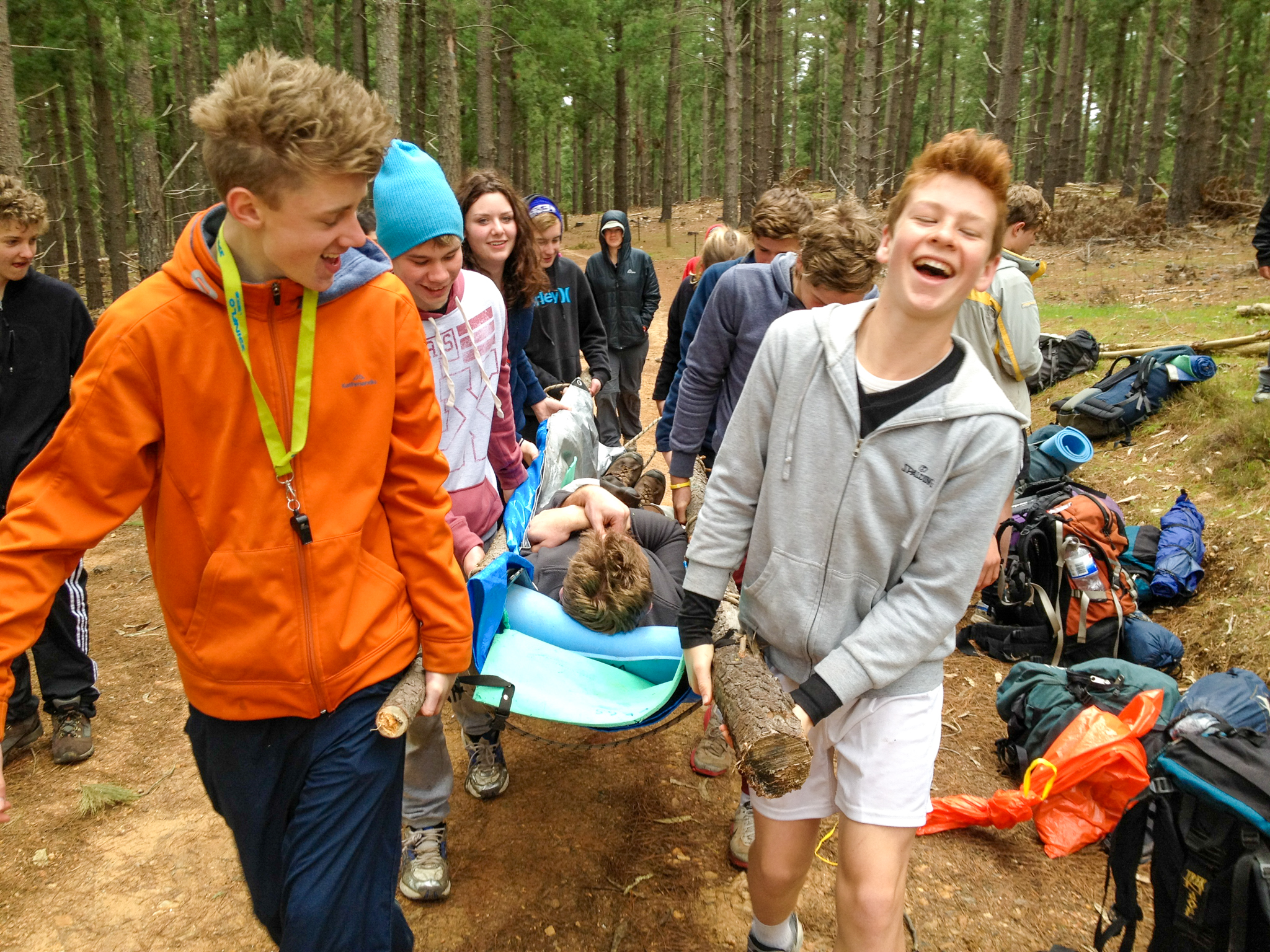
In today’s evolving educational landscape, social and emotional learning (SEL) has become just as important as academic achievement. One of the most effective and engaging ways to nurture SEL is through outdoor education. By stepping beyond the classroom, students gain real-world experiences that build emotional intelligence, resilience, empathy, and strong social skills.
At Wilderness Escape, outdoor education is intentionally designed to support the holistic development of students—academically, socially, emotionally, and environmentally.
1. Nature as a Canvas for Emotional Intelligence
Encouraging Healthy Emotional Expression
The natural environment offers a safe, open, and non-judgmental space where students can express emotions authentically. From the excitement of completing a physical challenge to the calm reflection inspired by nature, outdoor education supports emotional awareness and self-expression.
Building Resilience Through Challenge
Outdoor learning naturally involves uncertainty—weather changes, physical obstacles, and problem-solving under pressure. These experiences teach students how to manage stress, regulate emotions, and adapt to challenges, all of which are core components of emotional intelligence.
2. Strengthening Social Skills Through Outdoor Learning
Communication in Real-World Settings
Whether navigating trails, working together on problem-solving tasks, or sharing reflections around a campfire, students practice clear communication and active listening. These real-life situations reinforce communication skills more effectively than classroom simulations.
Collaboration and Teamwork
Many outdoor activities require cooperation and shared responsibility. Students learn to trust one another, value diverse strengths, and work collectively toward common goals—skills that translate directly into academic success and healthy relationships
3. Developing Empathy and Interpersonal Relationships
Shared Experiences Build Empathy
Outdoor education creates meaningful shared experiences. Supporting a peer during a difficult activity or celebrating a group achievement helps students develop empathy and emotional awareness of others.
Conflict Resolution in Natural Settings
Conflicts can arise during group activities, providing valuable opportunities for students to practice problem-solving, emotional regulation, and respectful communication—key SEL competencies.
4. Connection to the Environment and Community
Promoting Environmental Stewardship
Firsthand experiences in nature foster appreciation and respect for the environment. Students develop a sense of responsibility toward protecting natural spaces and understand the interconnectedness between people and the planet.
Creating a Sense of Belonging
Outdoor education nurtures strong relationships through shared challenges and adventures. These experiences help build trust, community, and a sense of belonging—essential elements of social and emotional well-being.
Why Choose Wilderness Escape?
Experienced Outdoor Education Facilitators
Our programs are led by skilled facilitators who balance challenge with emotional support. Their expertise ensures that students feel safe, supported, and empowered to grow.
Tailored Learning Experiences
Wilderness Escape recognizes that every learner is unique. Programs are customized to suit different learning styles, abilities, and emotional needs, ensuring meaningful SEL outcomes for all participants.
A Holistic Approach to Education
We believe education should develop the whole child. Our outdoor education programs aim to cultivate emotionally resilient, socially confident, and environmentally conscious individuals.
Embark on the Social and Emotional Learning Journey
Outdoor education plays a transformative role in shaping emotionally intelligent and socially skilled learners. Wilderness Escape invites schools and educators to partner with us in creating impactful outdoor experiences that strengthen social and emotional learning while inspiring lifelong connections to nature.
At Wilderness Escape, outdoor education is intentionally designed to support the holistic development of students—academically, socially, emotionally, and environmentally.
1. Nature as a Canvas for Emotional Intelligence
Encouraging Healthy Emotional Expression
The natural environment offers a safe, open, and non-judgmental space where students can express emotions authentically. From the excitement of completing a physical challenge to the calm reflection inspired by nature, outdoor education supports emotional awareness and self-expression.
Building Resilience Through Challenge
Outdoor learning naturally involves uncertainty—weather changes, physical obstacles, and problem-solving under pressure. These experiences teach students how to manage stress, regulate emotions, and adapt to challenges, all of which are core components of emotional intelligence.
2. Strengthening Social Skills Through Outdoor Learning
Communication in Real-World Settings
Whether navigating trails, working together on problem-solving tasks, or sharing reflections around a campfire, students practice clear communication and active listening. These real-life situations reinforce communication skills more effectively than classroom simulations.
Collaboration and Teamwork
Many outdoor activities require cooperation and shared responsibility. Students learn to trust one another, value diverse strengths, and work collectively toward common goals—skills that translate directly into academic success and healthy relationships
3. Developing Empathy and Interpersonal Relationships
Shared Experiences Build Empathy
Outdoor education creates meaningful shared experiences. Supporting a peer during a difficult activity or celebrating a group achievement helps students develop empathy and emotional awareness of others.
Conflict Resolution in Natural Settings
Conflicts can arise during group activities, providing valuable opportunities for students to practice problem-solving, emotional regulation, and respectful communication—key SEL competencies.
4. Connection to the Environment and Community
Promoting Environmental Stewardship
Firsthand experiences in nature foster appreciation and respect for the environment. Students develop a sense of responsibility toward protecting natural spaces and understand the interconnectedness between people and the planet.
Creating a Sense of Belonging
Outdoor education nurtures strong relationships through shared challenges and adventures. These experiences help build trust, community, and a sense of belonging—essential elements of social and emotional well-being.
Why Choose Wilderness Escape?
Experienced Outdoor Education Facilitators
Our programs are led by skilled facilitators who balance challenge with emotional support. Their expertise ensures that students feel safe, supported, and empowered to grow.
Tailored Learning Experiences
Wilderness Escape recognizes that every learner is unique. Programs are customized to suit different learning styles, abilities, and emotional needs, ensuring meaningful SEL outcomes for all participants.
A Holistic Approach to Education
We believe education should develop the whole child. Our outdoor education programs aim to cultivate emotionally resilient, socially confident, and environmentally conscious individuals.
Embark on the Social and Emotional Learning Journey
Outdoor education plays a transformative role in shaping emotionally intelligent and socially skilled learners. Wilderness Escape invites schools and educators to partner with us in creating impactful outdoor experiences that strengthen social and emotional learning while inspiring lifelong connections to nature.